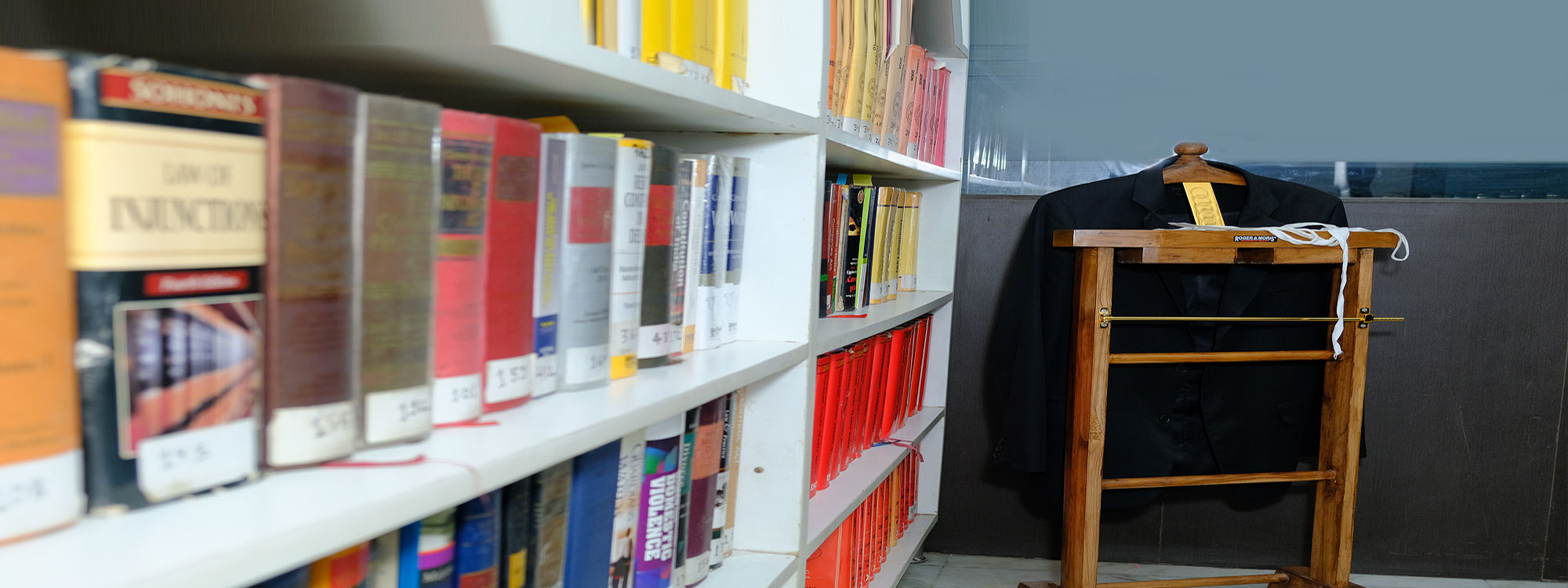
Aegis Legal is one of the best Criminal litigation firm in Delhi India which has very extensive practice of criminal law at various level viz. trial court level, revisional, appellate, High Court level & Supreme Court level cases related litigation practice across India. The founder partner of the firm Mr A K Singh advocate is known as noted Criminal litigation lawyer of India, who leads criminal practice of the firm. Under his guidance the firm has been engaged in much high-profile criminal litigation/cases across India.
Criminal litigation refers to the legal process where a state or government prosecutes an individual or organization accused of violating criminal laws. The objective is to determine guilt or innocence and, if found guilty, to impose penalties such as fines, imprisonment, or community service. This contrasts with civil litigation, which involves disputes between private parties and seeks compensation for damages or other remedies.
Criminal Litigation in India deals with three acts in Criminal Laws namely: The Indian Penal Code 1860/ The Bhartiya Nayaya Sanhita 2023, Code of Criminal Procedure, 1973/ Bhartiya Nagrik Suraksha Sanhita 2023 and The Indian Evidence Act, 1872/ The Bhartiya Sakshiya Adhiniyam 2023.
To file a criminal case in India, there is different stages which has to be followed:
- Investigation: The victim or a person with knowledge of the offense can file a complaint with the police, which is then recorded as a First Information Report (FIR) under section 154 of Cr.P.C/section 173 of BNSS if it's a cognizable offense. Alternatively, a complaint can be filed directly with a magistrate for non-cognizable offense under section 155 of Cr.PC./section 174 of BNSS. For non-cognizable offences or if you are dissatisfied with the police investigation, you can directly approach the court and file a private complaint. In this case, the court will initiate the proceedings based on your complaint under Section 200 of Cr.P.C./section of 223 BNSS. In cases where the police refuse to lodge an FIR, you can directly file a criminal complaint before a judicial magistrate under Section 156(3)/ section 173(4) R/w 175(3) of BNSS of the Code of Criminal Procedure (CrPC).
- Charge: If sufficient evidence is found, a formal charge is made against the accused under section 234 of BNSS. This can be done through an arrest or the issuance of a criminal summons.
- Pretrial Proceedings: Before the trial, several legal motions may be filed, such as motions to dismiss charges under section 250(1) of BNSS or suppress evidence. A preliminary hearing may also take place to determine if there is enough evidence to proceed to trial.
- Trial: During the trial, both the prosecution and the defense present evidence, examine witnesses, and make arguments to persuade the judge or jury. The prosecution has the burden of proving the defendant’s guilt beyond a reasonable doubt.
- Verdict: At the conclusion of the trial, the judge or jury renders a verdict. If the defendant is found guilty, the court will proceed to sentencing. If found not guilty, the defendant is acquitted.
- Appeals: If either party believes there were legal errors during the trial, they may file an appeal to a higher court. Appeals do not involve a retrial but review the legal process for fairness and accuracy.
Our firm is prominent in the field of criminal law. We have deftly handled a variety of cases covering issues such as violent crime, defamation, crimes against property, crime against women, cyber-crime, medical negligence, etc. Our lawyers have vast experience in representing clients in all Courts nationwide, from the Supreme Court and State High Courts to the District Courts, as well as before investigative and adjudicating authorities.